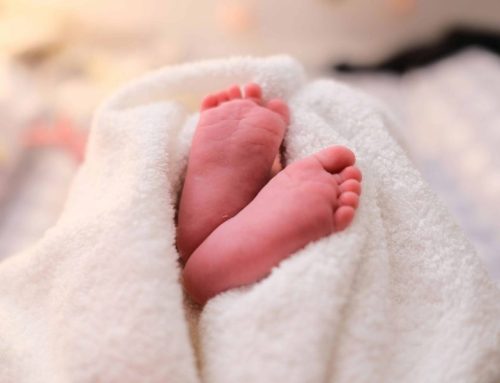



Safety is usually the question sitting underneath every other question a new parent asks about a bris, even when it doesn’t get said out loud. Lighthouse Point parents are often comfortable with the religious side of the ceremony but want a straight answer on the medical side before they book anyone.
Dr. Andrew Krinsky, a Yale-trained, board-certified gynecologic surgeon and religiously ordained certified mohel with 30 years of surgical experience, addresses these concerns directly and often.
Why the Procedure Is Done Outside a Hospital
A home bris isn’t a lesser version of a hospital circumcision, it’s a different setting entirely, chosen for both religious and medical reasons. The ceremony must happen on the baby’s 8th day of life according to Jewish law, and by that point, a newborn’s clotting factors and immunoglobulins have matured past their levels at birth, which supports safer healing than a procedure done in the first day or two after birth.
Performing it at home also means the baby isn’t undergoing a second procedure stacked directly on top of the disruption of birth itself, which many pediatric professionals view as its own advantage.
What Sterilization Actually Looks Like
Every instrument Dr. Krinsky uses is sterilized, autoclaved, or disposable, meeting the same cleanliness standard expected in a hospital setting. This doesn’t change based on the location of the ceremony. A living room in Lighthouse Point is held to the same instrument standard as an operating room.
How Pain Is Actually Managed
Comfort measures are layered rather than relying on a single method, which matters because no single approach addresses every aspect of the baby’s experience. Dr. Krinsky’s protocol includes:
- Infant Tylenol about an hour before, with pediatrician approval
- Topical numbing gel applied on arrival and given time to take effect
- A calming sugar and wine solution that also releases endorphins
- A seated position with the baby’s arms free, so parents can hold his hands throughout
- A second application of anesthetic gel immediately after the procedure
What Complications Actually Look Like, and How Rare They Are
Serious complications from a properly performed circumcision are uncommon, and most of what parents should watch for is minor and expected as part of normal healing. Some redness, minor swelling, and a small amount of discomfort in the first day or two is typical.
What’s worth contacting Dr. Krinsky or your pediatrician about includes:
- Bleeding that doesn’t stop with light, direct pressure
- Signs of infection, such as increasing redness, warmth, or discharge with an odor
- A fever in the baby
- Difficulty urinating in the hours after the procedure
Dr. Krinsky provides specific aftercare instructions before leaving your Lighthouse Point home, so parents know exactly what’s normal and what isn’t before they’re on their own.
How Healing Typically Progresses
Most babies heal within about a week to ten days, with noticeable improvement day by day rather than a sudden change. The area is usually tender for the first day or so, gradually less so as it heals. Dr. Krinsky covers diaper changes, bathing, and general care as part of his aftercare instructions.
Why Medical Background Matters for Safety Specifically
A mohel’s medical training directly affects how complications are recognized and handled, not just how the procedure itself is performed. Dr. Krinsky’s 30 years as a practicing OB-GYN surgeon means his familiarity with surgical technique, wound healing, and recognizing when something needs a closer look comes from an extensive medical career, not solely from mohel-specific training.
Being Available After the Ceremony
Dr. Krinsky remains reachable after the ceremony if questions come up during healing, rather than the relationship ending once he leaves your home. For Lighthouse Point parents who are naturally cautious about a newborn’s health, having a direct line to ask a follow-up question is often as reassuring as anything explained on the day itself.
Planning Your Son’s Bris in Lighthouse Point
If safety and medical background are top priorities in your search for a mohel and circumcision near me, it’s worth reading more about Dr. Krinsky’s training as a modern mohel before your first call.
Schedule Your Lighthouse Point Bris
Dr. Krinsky serves Lighthouse Point and the surrounding area, traveling to your home or preferred location for the ceremony. To ask any safety-related question directly, call (954) 980-6337 or email akrinsky1201@gmail.com.
Frequently Asked Questions
Is a home bris actually as safe as a hospital circumcision?
When performed by a properly trained provider using sterilized or disposable instruments and appropriate pain management, a home bris follows the same core safety standards as a hospital procedure, with the added medical advantages of the 8th day timing.
What should we do if we notice bleeding after the ceremony?
Light, direct pressure typically resolves minor bleeding. If bleeding doesn’t stop with pressure, contact Dr. Krinsky or your pediatrician right away.
How do we know if healing is progressing normally?
Mild redness and tenderness in the first day or two is typical and should gradually improve. Increasing redness, warmth, discharge, or fever are signs to reach out about rather than waiting to see if they resolve on their own.
Does Dr. Krinsky’s medical background change how he handles the procedure compared to other mohels?
His 30 years as a practicing OB-GYN surgeon inform both his surgical technique and his ability to recognize and address any concerns that come up, which is part of what he offers alongside his religious training.
Can we reach out after the ceremony if we have a concern?
Yes. Dr. Krinsky remains available after the ceremony to answer aftercare questions as your baby heals.