

Welcoming a newborn is one of life’s most meaningful moments. For many Jewish families, that joy is accompanied by an important religious tradition—the bris. But what if you could honor this sacred ritual without the stress of travel, crowded settings, or unfamiliar environments? That’s where a mobile bris doctor comes in.
Imagine it like having a trusted family expert come to your home—someone who brings not only medical skill but also respect for tradition, compassion, and calm. Professionals like Dr. Andrew Krinsky are redefining how families experience this milestone, blending medical expertise with convenience and care.
Let’s explore what a mobile bris doctor does, why more families are choosing this option, and what you should know before making your decision.
1. What Is a Mobile Bris Doctor?
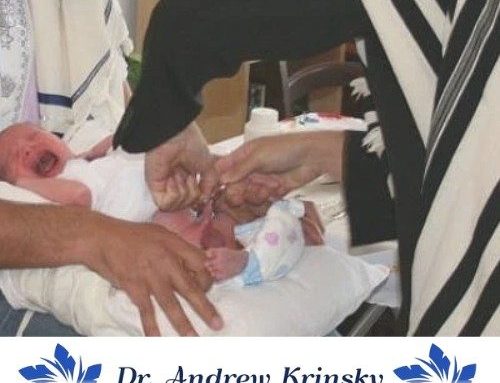
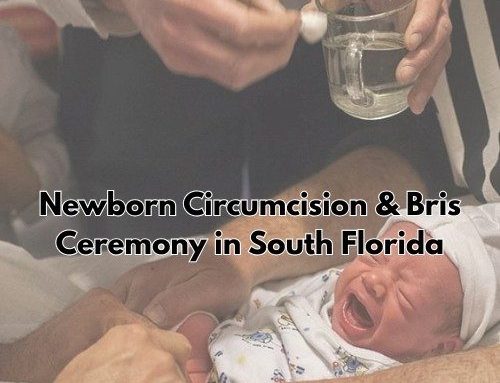
A mobile bris doctor is a licensed medical professional who travels to your home to perform a bris, also known as brit milah. Instead of visiting a clinic or synagogue, the ceremony and procedure happen in a familiar, comfortable setting.
Think of it as bringing the hospital to your living room—but with warmth, personalization, and cultural sensitivity.
2. Understanding the Bris Ceremony
The bris is a Jewish ritual performed on the eighth day after a baby boy’s birth. It symbolizes a covenant and holds deep religious and cultural importance.
While traditionally performed by a mohel, many families today prefer a doctor-trained professional who combines religious knowledge with medical precision.
3. Why Families Choose a Mobile Bris Doctor
Why are more parents going mobile?
- Convenience: No travel with a newborn
- Privacy: A personal, intimate setting
- Comfort: Baby stays in a familiar environment
- Flexibility: Schedule tailored to your needs
Wouldn’t you rather celebrate such a meaningful moment surrounded by your closest loved ones—without the pressure of a formal venue?
4. Who Is Dr. Andrew Krinsky?
Dr. Andrew Krinsky is a well-known name in the field of mobile bris services. He is recognized for blending medical expertise with compassionate care, ensuring both safety and respect for tradition.
Families appreciate his calm demeanor and ability to guide them through every step, making what could feel overwhelming into a smooth and reassuring experience.
5. Safety and Medical Standards
Safety is naturally a top concern for parents. A reputable mobile bris doctor like Dr. Andrew Krinsky follows strict medical protocols:
- Sterile equipment
- Proper sanitation
- Pain management techniques
- Emergency preparedness
It’s not just about tradition—it’s about doing it safely and professionally.
6. Comfort of Home vs. Clinical Setting
Picture this: instead of fluorescent lights and unfamiliar smells, your baby is surrounded by warmth, family, and love.
That’s the biggest difference.
A home setting can:
- Reduce stress for both baby and parents
- Create a more meaningful experience
- Allow for a relaxed, unhurried ceremony
It’s like choosing between a crowded restaurant and a home-cooked meal—both serve a purpose, but one feels more personal.
7. What Happens During the Procedure
Here’s what typically happens:
- The doctor arrives and sets up a sterile environment
- A brief ceremony is conducted
- The procedure is performed quickly and carefully
- The baby is comforted and monitored
The entire process is usually short, and experienced professionals ensure minimal discomfort.
8. Preparing for a Mobile Bris
Preparation is simple but important:
- Choose a quiet, clean space
- Gather necessary supplies (your doctor will guide you)
- Invite close family or friends
- Prepare emotionally—it’s a special moment
A good mobile bris doctor will provide a checklist so you’re never left guessing.
9. Role of Family and Guests
One of the beautiful aspects of a mobile bris is family involvement.
Loved ones can:
- Participate in the ceremony
- Offer support
- Share in the emotional significance
It turns a medical procedure into a shared, heartfelt experience.
10. Aftercare and Healing Process
Aftercare is straightforward but crucial.
You’ll receive instructions on:
- Cleaning the area
- Monitoring healing
- Recognizing signs of complications
Most babies heal quickly, often within a week or so.
11. Common Concerns and Misconceptions
Let’s address a few common worries:
Is it safe at home?
Yes, when performed by a qualified doctor.
Will the baby feel pain?
Pain management techniques are used to minimize discomfort.
Is it less “authentic”?
Not at all. The tradition remains intact—only the setting changes.
12. Cost and Value of Mobile Services
Mobile services may cost more than traditional options, but consider what you’re getting:
- Personalized care
- Medical expertise
- Convenience
- Peace of mind
It’s an investment in both safety and experience.
13. Choosing the Right Mobile Bris Doctor
Not all providers are the same. Look for:
- Medical credentials
- Experience with bris procedures
- Positive reviews
- Clear communication
Professionals like Dr. Andrew Krinsky stand out because they combine all these qualities.
14. Emotional and Spiritual Significance
This isn’t just a procedure—it’s a moment that connects generations.
For many families, it’s a powerful blend of:
- Faith
- Identity
- Love
Having it done at home can make the experience feel even more meaningful.
15. Final Thoughts
Choosing a mobile bris doctor is about balancing tradition with modern convenience. It allows families to honor an important ritual in a way that feels safe, personal, and deeply meaningful.
With experienced professionals like Dr. Andrew Krinsky, you’re not just getting a service—you’re gaining a trusted partner in one of your child’s first milestones.