


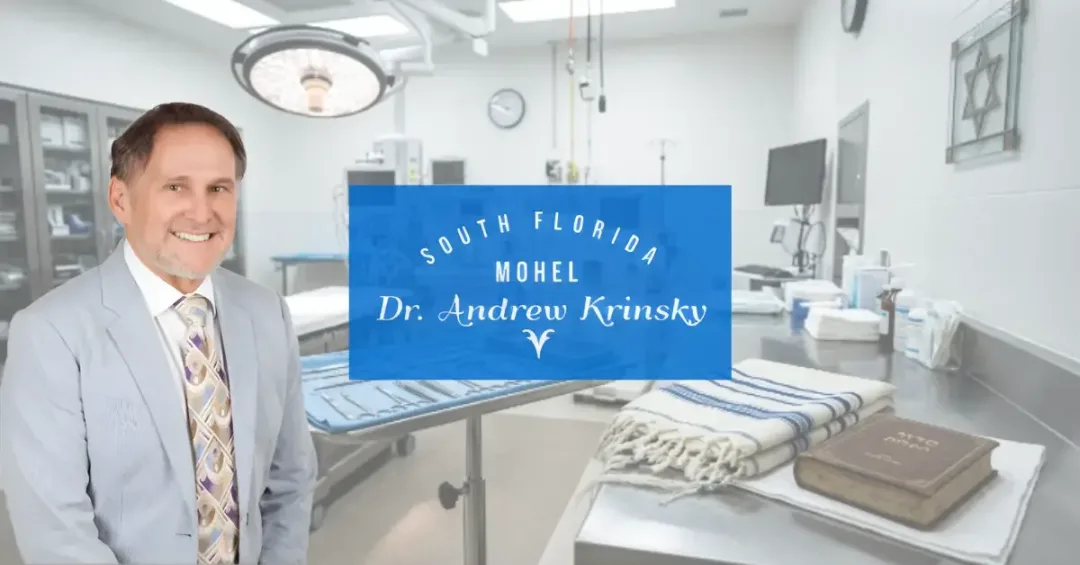
If looking for a Doctor Mohel South Florida, you may be wondering: What exactly does a Mohel do? Why do some families prefer a doctor who is also a Mohel? And how do you choose the right one for your child?
For many Jewish families, welcoming a newborn boy into the world comes with a deeply meaningful tradition—the bris, also called brit milah, a ceremonial circumcision performed on the eighth day after birth. At the center of this sacred moment is the Mohel, a trained professional who performs the procedure with both medical skill and religious understanding.
Think of a Mohel as someone who bridges two worlds—medicine and tradition. Just as a conductor guides musicians to create a beautiful symphony, a Mohel carefully guides the ceremony, ensuring the moment is safe, respectful, and spiritually meaningful.
In South Florida, where diverse Jewish communities thrive, experienced Mohels play an important role in preserving cultural and religious traditions while prioritizing the health and comfort of the newborn.
This article will walk you through everything you need to know—from the role of a Doctor Mohel to what happens during a bris ceremony, safety considerations, and tips for choosing the right Mohel for your family.
What Is a Mohel?
A Mohel is a specially trained individual who performs the Jewish ritual circumcision known as brit milah. This person is not only skilled in performing the procedure but is also knowledgeable about Jewish law and tradition.
Unlike a standard medical circumcision performed in a hospital, the procedure performed by a Mohel is part of a religious ceremony that has been practiced for thousands of years.
Key responsibilities of a Mohel include:
- Performing the circumcision safely
- Leading or guiding parts of the ceremony
- Educating parents about preparation and aftercare
- Ensuring the ritual follows Jewish law
Many Mohels are not medical doctors, but some are physicians who have also trained extensively in religious practice. These professionals are often called Doctor Mohels, combining medical expertise with religious knowledge.
The Meaning of the Bris Ceremony
The bris, or brit milah, represents a covenant between the Jewish people and God. This tradition dates back to biblical times and remains one of the most significant rituals in Jewish life.
The ceremony typically takes place on the eighth day after a baby boy is born, unless medical reasons require postponement.
But beyond the procedure itself, the bris is about:
- Welcoming the baby into the Jewish community
- Celebrating family and heritage
- Marking the beginning of a spiritual journey
Imagine planting a tree in a garden. The bris ceremony is like that moment when the seed is planted—symbolizing the beginning of growth, identity, and belonging.
Why Families Choose a Doctor Mohel
In South Florida, many families prefer working with a Doctor Mohel. Why? Because it offers reassurance.
A Doctor Mohel combines two valuable perspectives:
- Medical expertise
- Religious knowledge
Parents often feel comforted knowing that the person performing the procedure has both clinical training and ritual experience.
Benefits of choosing a Doctor Mohel include:
- Enhanced medical safety
- Professional sterile techniques
- Experience with newborn care
- Ability to address medical questions
For many families, this combination brings peace of mind during such an important milestone.
Training and Qualifications of a Mohel
Becoming a Mohel requires specialized training.
This training often includes:
- Learning Jewish religious laws related to circumcision
- Hands-on surgical training under experienced Mohels
- Studying infant care and safety procedures
- Certification through religious organizations
A Doctor Mohel, like Dr Andrew Krinsky, already has a medical degree and clinical training, adding another layer of expertise.
Some Mohels also engage in continuing education to stay up to date with best practices and medical standards.
The Importance of Tradition in Jewish Circumcision
Tradition plays a powerful role in Jewish identity.
The ritual of brit milah has been practiced for more than 3,000 years, making it one of the oldest continuously observed traditions in the world.
For many families, working with a Mohel ensures that the ceremony is conducted with respect and authenticity.
It connects generations—grandparents, parents, and newborns—all sharing the same tradition.
What Happens During a Bris Ceremony
The bris ceremony is typically warm, intimate, and family-centered.
It may take place in:
- A family home
- A synagogue
- A community hall
The event usually includes:
- Welcoming guests
- Blessings and prayers
- The circumcision performed by the Mohel
- Naming of the baby
- A celebratory meal
The ceremony itself is relatively brief, but its emotional significance lasts a lifetime.
Preparing for the Bris in South Florida
If you’re planning a bris in South Florida, preparation is important.
Parents typically schedule the ceremony shortly after the baby is born and coordinate with the Mohel to confirm availability.
Preparation often includes:
- Choosing a location
- Inviting family and friends
- Preparing ceremonial items
- Arranging refreshments
South Florida’s vibrant Jewish community offers many resources to help families plan this meaningful event.
Safety and Medical Standards
Safety is always a top priority for any Mohel, especially a Doctor Mohel.
Modern Mohels follow strict medical guidelines to ensure the baby’s well-being.
This includes:
- Sterile instruments
- Proper hygiene procedures
- Monitoring the baby before and after the procedure
- Providing clear aftercare instructions
Most babies recover quickly and comfortably with proper care.
The Role of Family in the Ceremony
One of the most touching parts of a bris is the involvement of family members.
Traditionally, special roles may include:
- Sandek – the person who holds the baby during the ceremony
- Kvatter – individuals who carry the baby into the room
These roles often go to grandparents or close relatives, making the moment deeply personal and emotional.
How to Choose the Right Mohel
Choosing the right Mohel is an important decision.
Parents often consider several factors, including:
- Experience and reputation
- Medical training
- Personal recommendations
- Comfort level with the Mohel’s approach
Many families schedule a phone call or meeting with the Mohel beforehand to ask questions and understand the process.
Cultural Diversity in South Florida’s Jewish Community
South Florida is home to one of the most diverse Jewish populations in the United States.
Families come from many backgrounds, including:
- Ashkenazi traditions
- Sephardic traditions
- Israeli communities
A skilled Mohel understands these cultural differences and adapts ceremonies accordingly.
Common Myths About the Role of a Mohel
There are several misconceptions about the work of a Mohel.
Myth 1: Only rabbis can perform the ceremony.
Truth: Many Mohels are not rabbis but are specially trained professionals.
Myth 2: The procedure is unsafe outside a hospital.
Truth: Experienced Mohels follow strict safety protocols.
Myth 3: The ceremony is long and complicated.
Truth: The procedure itself is usually very quick.
Understanding the facts helps families feel more confident about the tradition.
Emotional and Spiritual Significance
For parents, a bris can be an emotional experience.
There is joy, pride, and sometimes a little nervousness.
But ultimately, the ceremony represents something powerful—a connection to heritage and faith.
Many parents say that seeing family and friends gather to welcome their baby is one of the most meaningful moments of early parenthood.
Aftercare and Healing for the Baby
After the ceremony, the Mohel provides detailed instructions for caring for the baby.
Typical aftercare includes:
- Keeping the area clean
- Applying recommended ointments
- Monitoring healing
Most babies heal quickly, usually within a week or two.
Parents are encouraged to contact the Mohel if they have any concerns.
Modern Practices and the Future of the Mohel Tradition
While the tradition of the Mohel is ancient, modern medicine has influenced how procedures are performed today.
Many Doctor Mohels combine time-honoured ritual with updated medical techniques, ensuring both tradition and safety remain strong.
As Jewish communities continue to grow in places like South Florida, the role of the Mohel remains essential—connecting the past, present, and future.
Conclusion
A Doctor Mohel in South Florida plays a unique and meaningful role in Jewish life. By combining medical knowledge with deep respect for religious tradition, a Mohel ensures that the bris ceremony remains both safe and spiritually significant.
For families welcoming a newborn son, this moment is more than a medical procedure—it is a celebration of identity, community, and heritage.
Whether the ceremony takes place in a home, synagogue, or community space, the presence of an experienced Mohel helps create a memory that families will cherish forever.
If you’re preparing for a bris, taking the time to learn about the role of a Mohel can help you approach the experience with confidence, understanding, and joy.
FAQs
1. What does a Mohel do?
A Mohel performs the Jewish ritual circumcision known as brit milah and often guides the religious aspects of the bris ceremony.
2. Why do some families prefer a Doctor Mohel?
A Doctor Mohel combines medical training with religious expertise, providing additional reassurance about safety and infant care.
3. When is the bris ceremony usually performed?
The ceremony typically takes place on the eighth day after the baby’s birth, unless medical reasons require postponement.
4. Is the bris ceremony safe?
Yes. Experienced Mohels follow strict hygiene and medical standards to ensure the baby’s safety.
5. How long does it take for the baby to heal after the procedure?
Most babies heal within one to two weeks, especially with proper aftercare instructions provided by the Mohel.